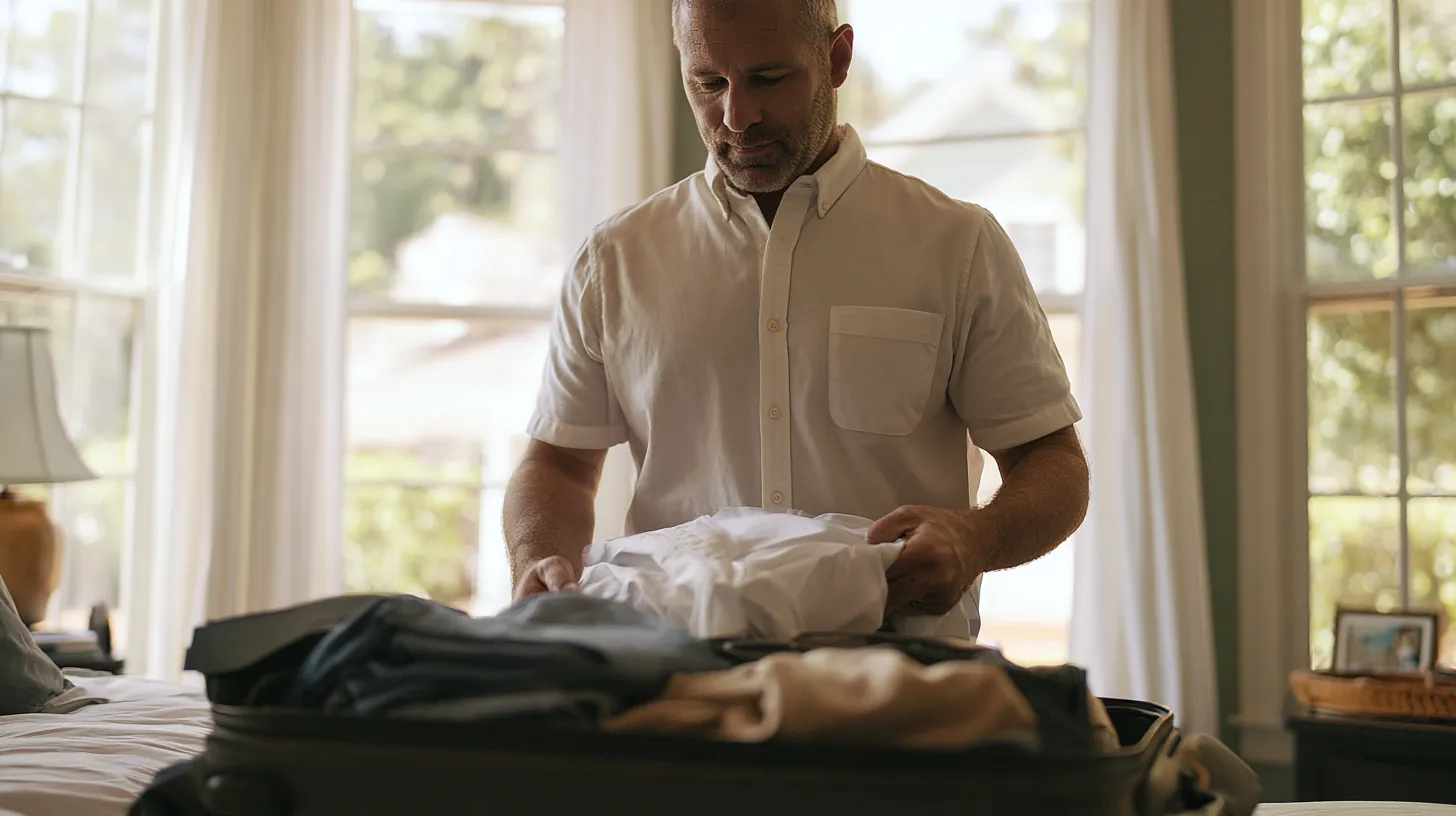
What a budget capsule wardrobe is and why it saves money
A capsule wardrobe is a small set of versatile clothes that all work together. On a budget, the goal is fewer purchases that each get worn often, rather than a perfectly matched closet bought in one weekend.
The savings come from three places. You buy less, because each new piece has to work with several things you already own. You stop paying for clothes that sit unworn with the tags still on. And getting dressed becomes faster, which removes the small, frequent urge to order something new for one occasion. It also means fewer small BNPL plans quietly running in the background.
For anyone who arrived here after searching for a Sezzle Application to fund new clothes, the capsule approach often changes the question. Instead of “how do I pay for all of this,” it becomes “which three or four pieces do I actually need.” That shorter list is much easier to cover from your paycheck, with or without buy now, pay later.
A capsule is a planning method, not a fixed rule. If a strict piece count does not suit your life, keep the principles and ignore the number.
Start with a closet audit before you buy anything
Pull everything out, sort it into keep, repair, donate and sell piles, and note what you actually wore over the past few months. The gaps that remain become your shopping list, and most closets have fewer gaps than expected.
- Empty one category at a time. Doing tops, then bottoms, then shoes keeps the job manageable in an evening.
- Keep what fits and gets worn. If you reached for it recently and it fits now, it stays.
- Set aside repairs. A missing button, a loose hem or a broken zipper is usually a cheap fix compared with a replacement.
- Sell or donate the rest. Items in good condition can go to a consignment shop or a resale listing to raise money for the gaps instead of reaching for buy now, pay later.
- Write down the true gaps. Be specific: “dark jeans that fit,” not “new jeans.”
The audit is the single biggest money saver in the whole process. People often discover a forgotten jacket, a pair of boots that only needed new heels, or three nearly identical shirts. Each find is one less purchase and one less pay-later decision, and any money from resale goes straight into the capsule budget. Do the audit before any Sezzle Application, not after.
Keep the gap list on your phone. It becomes your filter for every store visit and every online cart, and it is the best defense against sale emails and pay-later prompts that push you toward things you do not need.
Choose a color palette and a core piece list
Pick two or three neutral base colors and one or two accent colors, then plan tops, bottoms, layers and shoes that all combine. A shared palette is what lets a small wardrobe produce many different outfits.
Neutrals such as navy, gray, olive, camel, black or white do the heavy lifting because they pair with almost anything. Accent colors add personality in smaller pieces like a sweater, a scarf or a shirt. Look at the clothes you kept after the audit and build the palette around them rather than starting from zero.
| Category | Starter count | What to look for |
|---|---|---|
| Tops | 5–7 | Plain tees, button-ups and knits in your base colors |
| Bottoms | 3–4 | Jeans, chinos or trousers that fit well and match every top |
| Layers | 2–3 | A cardigan, an overshirt or a light jacket |
| Outerwear | 1–2 | One warm coat and one rain or transitional layer |
| Shoes | 2–3 | An everyday pair, a dressier pair and one for weather |
| Event outfit | 1 | A versatile dress or suit you can restyle |
Tailor the list to how you actually spend your week. Someone working in an office needs more polished tops and trousers. Someone working remotely may need fewer dress pieces and more comfortable layers. Someone in a trade may put most of the budget into durable work wear and boots. The plan should describe your life, not a photo shoot. Writing it down also shows whether a Sezzle Application search is even necessary, or whether a month or two of planned buying will do.
Build the budget in phases instead of one big shopping trip
Spreading a capsule build across three phases, essentials first, then layers and shoes, then upgrades, keeps each month's spending small and lets you test what works before you buy more.
Example: a phased $500 capsule budget
- Phase 1 (month one)
- Basic tops and one pair of bottoms, about $150
- Phase 2 (months two and three)
- Coat or shoes from the gap list, about $250
- Phase 3 (month four onward)
- Accent pieces and upgrades, about $100
- Total
- About $500, paid as you go
Illustrative figures only, paid without BNPL. Your amounts depend on your gap list, your stores and what you already own.
Phasing works because it lets real life test your plan. After a month of wearing the phase-one basics, you will know whether you need a second pair of trousers or whether the ones you have are enough. Mistakes stay small, they do not leave a BNPL balance behind, and the next phase is better informed.
Plenty of people finance shopping for clothes in small pieces through buy now, pay later checkout plans. A phased capsule does something similar without the debt: it breaks a big wardrobe cost into monthly chunks that you pay in full. If a pay-later plan is part of the picture at all, it belongs to one phase, not all three. Shoppers who compare a Sezzle Application with a phased plan usually find the phased plan cheaper, since it adds nothing to the price.
Where to find quality basics for less
Secondhand shops, consignment stores, resale listings, end-of-season sales, outlet stores and simple tailoring of pieces you already own all lower the cost of a capsule without lowering the quality.
- Thrift and consignment. Wool coats, leather shoes and denim often turn up in excellent condition at a fraction of the new price.
- End-of-season sales. Buying a winter coat as winter ends, and storing it, can be far cheaper than buying it in the first cold week on a pay-later plan.
- Outlet and warehouse stores. Good for basics, though check quality, since some outlet lines are made specifically for those stores.
- Tailoring. Hemming trousers or taking in a jacket you already own can cost much less than replacing it.
- Clothing swaps. Friends, coworkers or community groups can swap pieces that no longer fit.
Quality checks before you pay
- Read the fabric label: natural fibers and sturdy blends usually wear better than thin synthetics.
- Tug gently at seams; they should lie flat with no gaps or loose threads.
- Check buttons, zippers and linings, which are often the first things to fail.
- Look at the care label; a piece that needs dry cleaning adds a running cost.
A durable piece bought secondhand often beats a new low-quality one at the same price, and it rarely needs a Sezzle Application to afford. For a quick way to compare those choices, our guide on whether to use buy now, pay later for clothes explains how to weigh cost per wear.
Paying for anchor pieces: cash, split plan, card or loan
Pay cash for basics, and save any financing for one or two anchor pieces, such as a good coat or boots, where a short pay-in-4 BNPL plan can bridge a gap of a few weeks. Borrowing for an entire capsule rarely makes sense.
| Option | How it works | Typical cost | Best for |
|---|---|---|---|
| Pay now | Cash or debit at checkout | Nothing extra | Basics and anything under your monthly budget |
| Pay-in-4 BNPL plan | Four payments over about six weeks | Often no interest if paid on time | One anchor piece when your paycheck is a few weeks away |
| Credit card paid in full | Charge it, then clear the statement balance | No interest if paid in full by the due date | People who already pay their card in full every month |
| Credit card with a carried balance | Revolving balance with a variable APR | Interest set by the issuer | Rarely a good fit for clothes |
| Personal loan via lenders in our network | Lump sum repaid monthly over 3–36 months | APR estimate of 5.99%–35.99% | A large, necessary wardrobe reset that cannot wait |
Sezzle is a useful reference point. Its standard plan divides a purchase into four installments across about six weeks, typically interest-free if you pay on time; confirm the provider's current terms on its site or in the Sezzle app before you rely on that. Comparing BNPL apps and apps like Sezzle for an anchor piece comes down to which stores accept them, how they treat late payments and how they handle returns.
A good rule: if a Sezzle Application or any BNPL checkout split would cover more than one phase of your capsule, the plan is too big. Keep pay-over-time financing to a single, long-lasting item, pay it off, and only then consider the next one. Buy now pay later shopping works best when it is the exception in your budget rather than the method.
When a Sezzle Application search is about a full wardrobe reset
A full reset after a new job, a move to a colder climate or a big change in size can cost more than a pay-in-4 BNPL limit covers. In those cases, compare a short personal loan with waiting and buying in phases.
Some resets genuinely cannot wait. A new role may require a uniform or business clothes from day one, and a move north in late fall means you need a real coat and boots before the first snow. A Sezzle Application search in that situation often ends at a spending limit that is lower than the cost. A personal loan through lenders in our network covers $500–$5,000 and is repaid in fixed monthly amounts. Splitting the cost across several BNPL plans instead usually means juggling due dates during an already busy transition.
| Term | Monthly payment (estimate) | Total repaid (estimate) |
|---|---|---|
| 6 months | $179.02 | $1,074.12 |
| 12 months | $95.04 | $1,140.48 |
| 18 months | $67.19 | $1,209.42 |
Choose the shortest personal loan term you can manage, because clothing wears out and you do not want payments outlasting the clothes. Build the capsule list first so the amount you request is as small as possible. Our page on fashion and apparel loans explains how requests work, and estimated APR ranges by credit tier shows what affects the cost. Our service is free to use, it only passes your request to lenders, and any offer you receive is yours to decline.
Keep the capsule working season after season
Care for pieces properly, rotate seasonal items into storage, replace things one at a time as they wear out, and revisit your gap list each season. A well-kept capsule needs only small top-ups rather than another big rebuild on buy now, pay later.
- Wash less and gentler. Cold water, air drying and airing out knits between wears all extend the life of clothes.
- Store off-season pieces. Clean coats and sweaters before storing them so moths and stains do not undo your investment.
- Follow one in, one out. Each new item replaces something worn out, which keeps the capsule small.
- Set a small seasonal budget. A modest amount each spring and fall covers replacements without any need to finance shopping again.
Over time, a capsule changes the way you shop. Fewer orders mean fewer returns, fewer pay-later plans to track and a clearer picture of where your clothing money goes. If a future Sezzle Application or loan request ever comes up, it will be for a specific, planned need rather than a closet that never felt finished.
Frequently asked questions
How much does a budget capsule wardrobe usually cost?
It depends on what you already own and where you shop. Many people spend far less than expected because the closet audit fills several gaps for free. The phased example above totals about $500 over four months, but a capsule built mostly from secondhand finds and existing clothes can cost much less. Start with your gap list, not a target number or a pay-later limit.
Should I finance a whole capsule wardrobe at once?
Usually not. Most capsule pieces are basics that are better paid for in full as you go. If you use buy now, pay later at all, keep it to one anchor item such as a coat. A personal loan only makes sense for a necessary reset that cannot wait, and a short term keeps the total cost down.
Can I build a capsule wardrobe entirely from secondhand clothes?
Yes, and it is often the cheapest route. Thrift stores, consignment shops and resale listings regularly carry quality coats, denim and leather shoes. Check fabric, seams and fit carefully, and budget a little for tailoring. Underwear, socks and some athletic wear are usually better bought new. None of it requires a personal loan or a pay-later plan.
How often should I add new pieces to a capsule?
Add pieces only when something wears out or your needs change, such as a new job or a move to a different climate. A quick review each season, using your gap list, keeps purchases deliberate. Anyone tempted by a Sezzle Application or another pay-later plan for a mid-season top-up should check the list first and confirm the piece fills a real gap.